
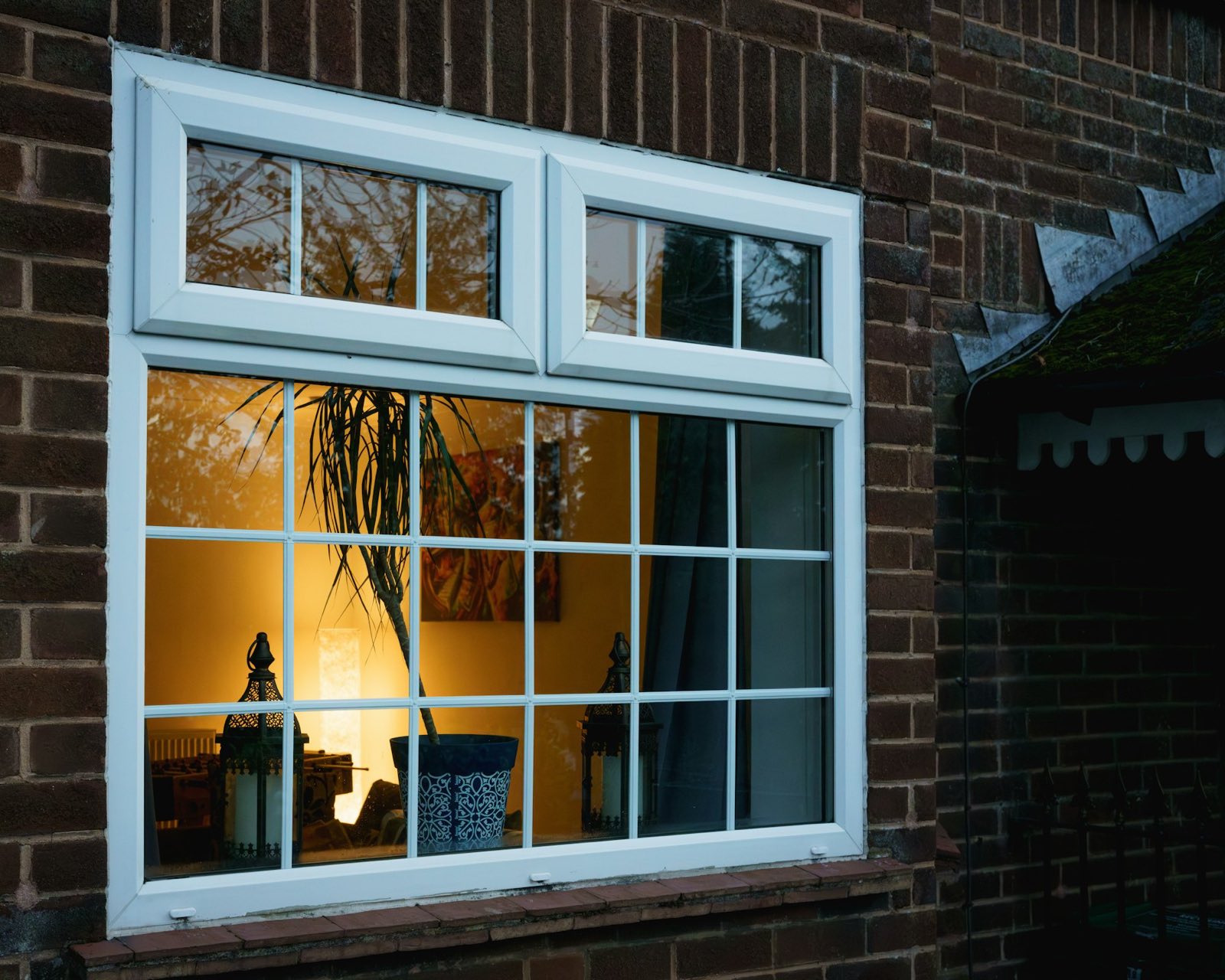
A FENSA certificate is the paperwork that proves your replacement windows or doors meet Building Regulations. It is issued by a FENSA Approved Installer. CERTASS certificates do the same job and are just as valid.
Replacing windows and doors is notifiable building work. So if you have no certificate, there is no record with the council that the work complies, and that tends to surface when you sell.
What FENSA and CERTASS are
Both are competent person schemes. Installers registered with one are allowed to certify that their own work meets Building Regulations. The homeowner does not have to apply to building control.
- FENSA was authorised by the government in April 2002. It calls itself “the first and most well-known Competent Person Scheme for the window and door installation industry in England and Wales”. It is part of the GGF group.
- CERTASS describes itself as a government authorised certification body since 2006. Its members “can certify their installations to current Building Regulations” as an alternative to building control.
They are not the only ones. The government’s guide to building work lists these schemes for replacement windows, doors, roof windows and roof lights in homes: ASSURE, Blue Flame, BM TRADA, BSI, CERTASS, Certsure, FENSA, NAPIT and Stroma.
According to FENSA, a FENSA certificate shows that the installation:
- complies with Building Regulations
- is registered with the local council
- is backed by guarantee insurance
FENSA says an insurance-backed guarantee “covers the installer’s written guarantee in the event that they cease to trade”. These policies were not mandatory until 2014, so windows fitted in 2013 or earlier may not have one.
Building Regulations for replacement windows
Replacing a window or door is building work, even if it goes in the same hole. The government’s guide lists “replacement of window and door units” as work you must tell a building control body about, unless your installer is registered with a competent person scheme.
The main requirements, from the Planning Portal and the Approved Documents, are:
| Requirement | What it means |
|---|---|
| Energy (Approved Document L) | A whole window U-value of 1.4 W/m²K or Window Energy Rating band B, and no worse than the window being replaced |
| Safety glass (Approved Document K) | Safety glazing in “critical areas”, such as low panes and glazed doors |
| Means of escape | The new window should give at least the same escape potential, with an opening at least 450mm wide and high, 0.33m² clear, and the bottom of the opening no more than 1100mm above the floor |
| Ventilation (Approved Document F) | Background ventilation no worse than before; FENSA says most replacement windows now need trickle vents |
The government says a homeowner’s signed disclaimer is “not a suitable way of complying with the Building Regulations” when it comes to ventilation. So you cannot simply opt out of trickle vents.
For more on the energy figures, see our double vs triple glazing guide.
Your two routes to compliance
- Use a registered installer. They notify the council and you receive a certificate. The government says that if it has not arrived within 30 days of completion, you should contact the installer’s scheme operator.
- Use building control. If your installer is not registered, or you fit the windows yourself, you submit a building notice or full plans application to the council or a registered building control approver and pay a fee. They inspect the work and, if satisfied, issue a certificate.
FENSA’s advice for homeowners is blunt: if your installer does not offer a certificate, “you’ll need to pay for an inspection by building control”. Check your installer is registered before you sign. You can search the FENSA installer list or the CERTASS homeowner site.
What happens without a certificate
The government’s guide sets out the risks of building work that does not comply:
- “You could be prosecuted and could face unlimited fines.”
- Your council “could insist you put it right at your own expense”.
- The council “will have no record that the work complies with Building Regulations”.
The same guide says compliance records “will be important when you come to sell your home as you may be asked to provide certificates of compliance”.
Getting a replacement certificate
FENSA
Go to the FENSA certificate page and search by address. A copy costs £30 including VAT, paid online by card or by cheque.
If your address is not found, FENSA lists the likely reasons. The address or postcode may be wrong, or the job included more than windows and doors. The installer may not have been FENSA approved at the time, or may not have notified FENSA when the job was finished.
CERTASS
CERTASS offers a replacement Building Regulations Compliance Certificate (BRCC), ordered online through its replacements site. Its pages did not show a price when we checked.
No scheme certificate at all
If no scheme ever registered the work, you can apply to your council for regularisation. The Planning Portal describes this as “a retrospective application relating to previously unauthorised works”, for work started on or after 11 November 1985.
Building control may need parts of the work exposed or put right before it can confirm compliance. Shropshire Council charges regularisation at 180% of its standard fee, with zero VAT, under its fee schedule from 1 April 2026. If the windows fall short, budget for fixing them as well.
Selling a house
FENSA describes its certificate as “essential when selling the property”. Your buyer’s solicitor may ask for certificates for any windows or doors replaced while you owned the house.
To avoid delays:
- Find your certificates now, not when the buyer’s solicitor asks. Check FENSA by address, and CERTASS if your installer used it.
- Keep them with your house deeds and your guarantee paperwork.
- If you are buying, ask the seller for certificates for any windows replaced in recent years.
When you replace windows in future, ask for the certificate in writing as part of the quote. FENSA’s advice is to get confirmation “that you will get a FENSA certificate all in writing”.
Listed buildings and conservation areas
A certificate deals with Building Regulations only. It does not give you planning permission or listed building consent. In Shropshire’s Article 4 areas and on listed buildings, you may need those too; see our conservation area guide.
For prices, read our window and door cost guide.
Need new windows with the right paperwork? Get a quote from a checked local installer.
Common questions
What is a FENSA certificate?
It is a certificate issued when a FENSA Approved Installer replaces windows or doors. FENSA says it shows the installation complies with Building Regulations, is registered with the local council and is backed by guarantee insurance.
Is CERTASS as good as FENSA?
Both are government-authorised competent person schemes for replacement windows and doors. A certificate from either shows the work was self-certified as meeting Building Regulations. Other authorised schemes for windows include NAPIT, Certsure, BSI and Stroma.
How do I get a replacement FENSA certificate?
Search for your address on the FENSA certificate website and order a copy. It costs £30 including VAT, paid online by card or by cheque. If your address is not found, the installer may not have been FENSA approved or may not have registered the job.
What if my windows have no certificate?
First check whether a different scheme, such as CERTASS, issued one. If no certificate exists, you can apply to your council's building control for a regularisation certificate. They may need to inspect, and possibly expose, parts of the work.
Do I need a FENSA certificate to sell my house?
The government warns that you may be asked for certificates of compliance with Building Regulations when you sell. FENSA describes its certificate as essential when selling, so it is worth tracking down early.
Related guides
Sources
- FENSA, homepage, checked 17 October 2026
- FENSA, Homeowners, checked 17 October 2026
- FENSA, About FENSA, checked 17 October 2026
- FENSA, Find and order your FENSA certificate, checked 17 October 2026
- FENSA, Approved Document F: trickle vents
- CERTASS, homepage, checked 17 October 2026
- GOV.UK, Building work: replacements and repairs to your home (leaflet)
- Planning Portal, Doors and windows: Building Regulations
- Planning Portal, Regularisation
- Shropshire Council, Building control statutory fees and applications, 2026/27
- GOV.UK, Approved Document L Volume 1: Dwellings, 2021 edition incorporating 2023 amendments, Table 4.2
- GOV.UK, Approved Document F Volume 1: Dwellings, frequently asked questions, 15 June 2022