
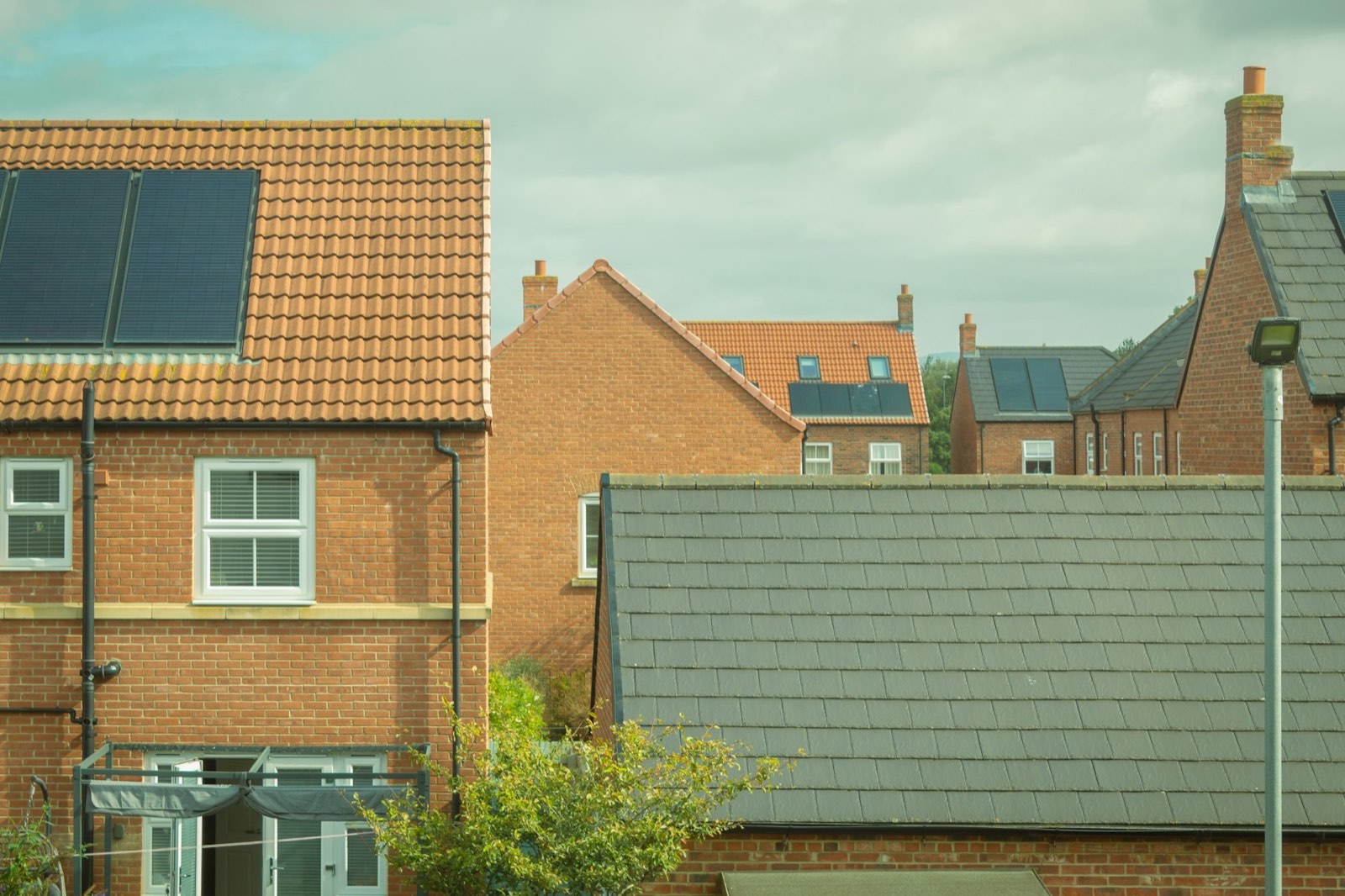
A typical home solar PV system in 2026 costs about £1,550 to £2,100 per kW installed, according to government figures built from the MCS installation database. For a common 4 kW system that is roughly £6,400 to £8,400. VAT is currently 0% on installed panels and batteries, but only until 31 March 2027.
Where the figures come from
The Department for Energy Security and Net Zero (DESNZ) publishes the cost of every small solar installation registered with MCS. The latest release, published 28 May 2026, covers 264,742 installations fitted between April 2025 and March 2026, a record year.
The cost includes the panels, the installation, connection to the electricity supply and VAT where it applied. It does not include batteries, extended warranties or other building work.
| System size | Median cost per kW, 2025/26 | Average cost per kW, existing homes | Average, West Midlands (all installs) |
|---|---|---|---|
| Up to 4 kW | £1,595 | £2,109 | £1,778 |
| 4 to 10 kW | £1,546 | £1,651 | £1,628 |
| 10 to 50 kW | £1,204 | £1,320 | £1,233 |
The median includes homes and businesses. The “existing homes” column is the average for domestic retrofit installs, which is the closest match to adding panels to a house you already live in.
Typical prices by system size
These are our estimates, made by multiplying the DESNZ cost per kW by the system size. Panel counts assume panels of about 450 W, close to the 455 W panels one large supplier fits.
| System | Approx. panels | At the median | At the existing-home average |
|---|---|---|---|
| 3 kW | 7 | about £4,800 | about £6,300 |
| 4 kW | 9 | about £6,400 | about £8,400 |
| 5 kW | 11 | about £7,700 | about £8,300 |
| 6 kW | 13 | about £9,300 | about £9,900 |
Smaller systems cost more per kW because the fixed costs (scaffolding, inverter, electrical work, certification) are spread over fewer panels. DESNZ notes that larger systems are cheaper per kW every year.
Prices are still falling. After inflation, the median cost of systems up to 4 kW fell 7% between 2024/25 and 2025/26, and 4 to 10 kW systems fell 9%.
What that buys you in Shropshire
The EU’s PVGIS model, run for Shrewsbury, gives about 970 kWh a year per kW of panels facing south at a 35 degree pitch. A 4 kW system on that roof would make roughly 3,900 kWh a year, more than the 2,500 kWh Ofgem uses as typical household use. See how many solar panels you need for east and west roofs.
0% VAT until 31 March 2027
HMRC zero-rates the installation of energy-saving materials in homes, including solar panels and batteries, for installations from 1 May 2023 to 31 March 2027. From 1 April 2027 the rate is due to revert to 5%.
Two conditions matter:
- The installer must supply and fit. HMRC is clear that materials sold without installation are standard-rated. A kit bought online and fitted by a friend does not qualify.
- The work must be done by the deadline. If you want the 0% rate, book the installation, not just the quote, before 31 March 2027.
On a £7,000 system, 5% VAT would add about £350.
What affects the price
Which? lists the main drivers as system size and panel count, panel type, building type, inverter and component quality, labour, and extras such as electrical upgrades and monitoring. In practice, for a Shropshire house, look at:
- Roof access and height. Quotes normally include scaffolding. A three-storey townhouse or a steep site costs more to scaffold than a bungalow.
- Roof condition and strength. The Planning Portal says building regulations normally apply to roof panels and the roof’s ability to carry the load must be checked. Some roofs need strengthening, and a worn roof is best replaced before panels go on. See our roofing page.
- Roof layout. Splitting panels across two slopes, or working round dormers and chimneys, adds time and may need extra electronics.
- Your consumer unit. An older fuse board may need upgrading before the installer can connect.
- Planning. In a conservation area or on a listed building, the design may need to change or need permission. See solar panels and planning permission.
- New build or existing home. DESNZ shows panels fitted on new builds cost less per kW (an average of £1,518 per kW for small domestic systems) than on existing homes (£2,109).
Battery add-on cost
DESNZ figures exclude batteries, so budget separately. Published prices for fitted batteries include:
| Battery | Typical fitted price | Source |
|---|---|---|
| 3 kWh | about £3,500 | MoneySavingExpert, October 2026 |
| 5 kWh | about £4,600 | MoneySavingExpert, October 2026 |
| 7 kWh | about £5,500 | MoneySavingExpert, October 2026 |
| 12 panels with a 10 kWh battery | £11,115 | Octopus Energy, April 2026 prices |
MoneySavingExpert also found a quote for six panels with a 5.7 kWh battery for just over £7,000 (checked July 2026). Fitting both at once shares the scaffolding and electrical work. Whether the battery pays for itself is a separate question, covered in are solar batteries worth it.
Getting a fair quote
- Ask for the system size in kW, the panel and inverter models, and the expected yearly generation.
- Check the installer is MCS certified. You need the MCS certificate to be paid for exported power under the Smart Export Guarantee.
- Compare the price per kW against the DESNZ figures above. Well above about £2,100 per kW for a small system deserves a question.
- Confirm in writing that VAT is 0%, scaffolding is included and the timetable fits before 31 March 2027.
Thinking about solar? Get a quote from a checked local installer.
Common questions
How much does a 4 kW solar system cost in 2026?
Using the government's MCS-based cost data for April 2025 to March 2026, a 4 kW system works out at about £6,400 at the median cost per kW, or about £8,400 at the average cost for systems fitted to existing homes. Your quote depends on your roof, access and the equipment chosen.
Is there VAT on solar panels?
Not at the moment. HMRC zero-rates the supply and installation of solar panels and batteries in homes until 31 March 2027. From 1 April 2027 the rate is due to go to 5%. Panels bought without installation are standard-rated.
Are solar panels cheaper in the West Midlands?
Slightly. The average installed cost in the West Midlands in 2025/26 was £1,778 per kW for systems up to 4 kW and £1,628 per kW for 4 to 10 kW, close to the national averages of £1,808 and £1,622.
Does the price include scaffolding?
Usually. Which? says quotes typically include labour, mounting and the scaffolding needed. Ask each installer to confirm it in writing so you compare like with like.
How much does a battery add?
MoneySavingExpert, updated 1 October 2026, lists fitted prices of about £3,500 for a 3 kWh battery, £4,600 for 5 kWh and £5,500 for 7 kWh. Buying the battery with the panels from one installer is often cheaper than adding it later.
Related guides
Sources
- DESNZ, Solar photovoltaic (PV) cost data, published 28 May 2026
- DESNZ, Average costs of small-scale solar PV, TIC basis, 2025/26 spreadsheet
- HMRC, VAT on energy-saving materials and heating equipment (Notice 708/6), updated 31 January 2024
- Which?, Solar panel costs, 3 August 2026
- MoneySavingExpert, Is solar battery storage worth it?, updated 1 October 2026
- Octopus Energy, Solar panels (April 2026 prices), checked 17 October 2026
- European Commission JRC, PVGIS 5.3 (SARAH3), Shrewsbury, queried 17 October 2026
- Ofgem, Review of typical domestic consumption values: decision, 27 May 2026
- Planning Portal, Solar panels: building regulations